// AI Model Interface
      interface IAIModel {
          function predict(data: string) external returns (string);
          function train(trainingData: string) external;
          function getAccuracy() external view returns (number);
      }

      /// @title AI Model Deployment and Management Contract
      /// @dev Enables deployment, training, and management of AI models
      contract AIModelManager {
          event ModelDeployed(address indexed modelAddress, string modelName);
          event ModelTrained(address indexed modelAddress, number accuracy);
          event ModelPrediction(address indexed modelAddress, string input, string output);

          /// @notice Deploys a new AI model
          /// @param modelName Name of the AI model
          /// @param initialTrainingData Initial training data for the model
          /// @return address Address of the deployed AI model contract
          function deployModel(string memory modelName, string memory initialTrainingData)
              external
              returns (address)
          {
              AIModel newModel = new AIModel(modelName);
              newModel.train(initialTrainingData);
              emit ModelDeployed(address(newModel), modelName);
              return address(newModel);
          }

          /// @notice Makes a prediction using an AI model
          /// @param modelAddress Address of the AI model contract
          /// @param input Input data for prediction
          /// @return string Prediction result from the AI model
          function makePrediction(address modelAddress, string memory input)
              external
              returns (string memory)
          {
              IAIModel model = IAIModel(modelAddress);
              string memory result = model.predict(input);
              emit ModelPrediction(modelAddress, input, result);
              return result;
          }
      }

      /// @title AI Model Implementation
      /// @dev Basic implementation of an AI model with prediction capabilities
      contract AIModel is IAIModel {
          string public modelName;
          number public accuracy;
          mapping(string => string) private predictions;

          constructor(string memory _modelName) {
              modelName = _modelName;
          }

          function predict(string memory data) external returns (string memory) {
              // In a real implementation, this would use ML algorithms
              // Simplified for demonstration
              if (predictions[data] != "") {
                  return predictions[data];
              }
              return "Prediction result";
          }

          function train(string memory trainingData) external {
              // Training logic would be implemented here
              accuracy = 0.85; // Example accuracy
          }

          function getAccuracy() external view returns (number) {
              return accuracy;
          }
      }
Bare Metal GPUs
Experience the full power of GPUs with our dedicated bare metal servers for the most demanding computational workloads.
Get the bare metal benefit
The vast majority of GenAI workloads don't need virtualization. They need direct access to resources to run training, inference, and experimentation with maximum performance and low latency. Build better models by running directly on our bare metal servers.
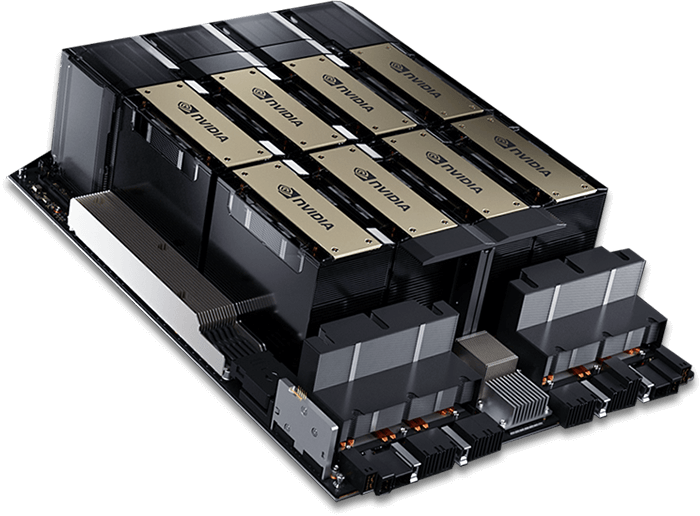
Unlock higher performance
Get full access to NVIDIA GPUs without the performance limitations imposed by virtualization.
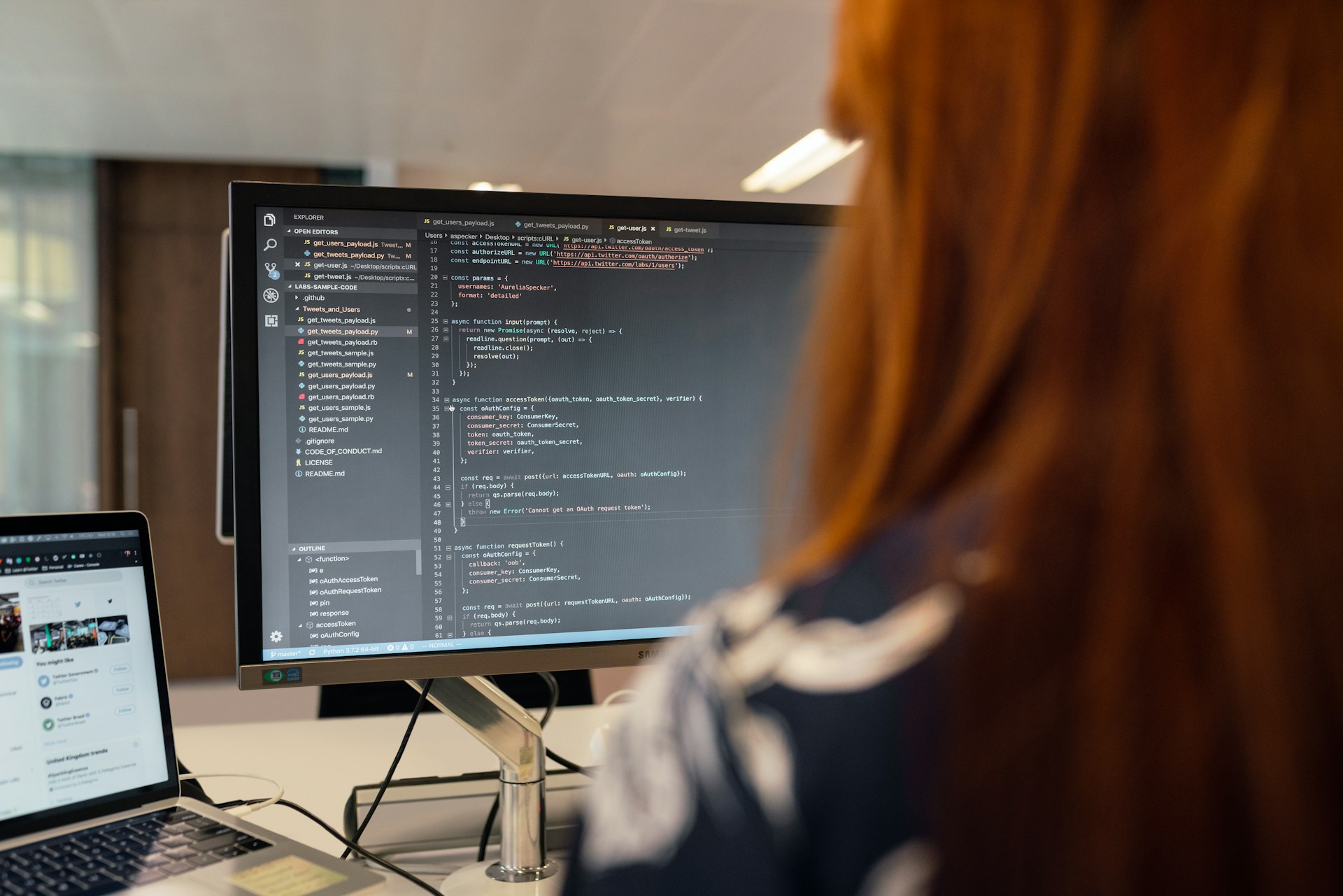
Maximize reliability
Our simpler software stack reduces the surface area for potential issues—increasing reliability and uptime.
Free up compute resources
NVIDIA BlueField DPUs offload networking, security, and storage processing tasks.
Get in-depth insights
See metrics on cluster health and performance for unmatched observability.
Bare metal is better
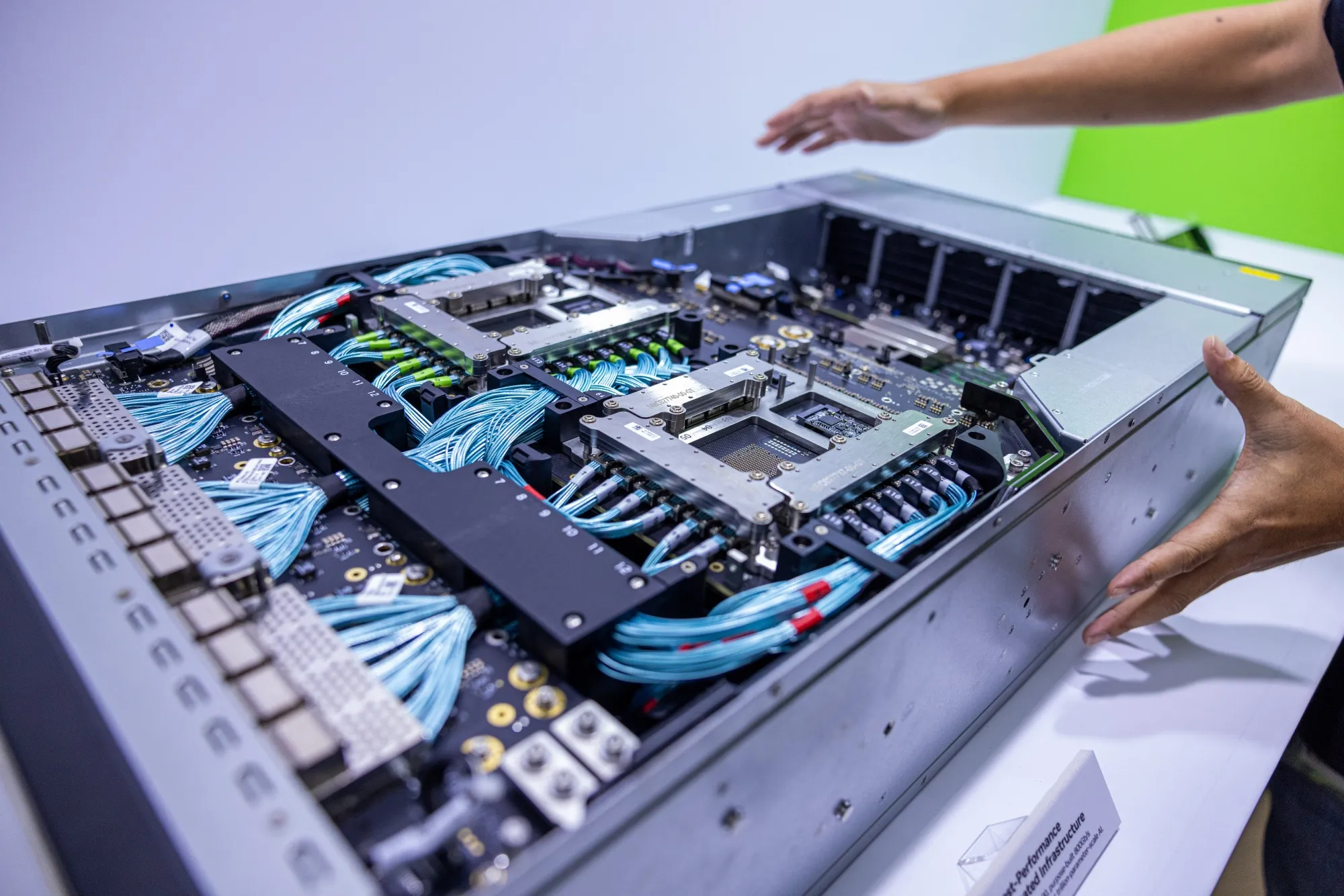
Virtualization can make it difficult to get the data you need to track performance. Our bare metal stack gives you access to low-level, high-resolution metrics in heightened granular detail—keeping your teams always in the know.
-
Full GPU Performance
-
100% of GPU resources dedicated to your workload
-
Direct Hardware Access
-
Bypass hypervisor for lower latency and higher throughput
-
Custom Firmware Support
-
Run specialized GPU drivers
-
Multi-GPU Configurations
-
Support for 1-16 GPUs per server
-
High-Powered Cooling
-
Enterprise-grade cooling for intensive workloads
-
Dedicated Network Uplinks
-
Up to 100Gbps dedicated network connections
Perfect for Extreme Workloads
// Example: CUDA code for scientific computation
#include <cuda_runtime.h>
__global__ void matrixMultiply(float *a, float *b, float *c, int n) {
    int row = blockIdx.y * blockDim.y + threadIdx.y;
    int col = blockIdx.x * blockDim.x + threadIdx.x;

    if (row < n && col < n) {
        float sum = 0.0f;
        for (int k = 0; k < n; k++) {
            sum += a[row * n + k] * b[k * n + col];
        }
        c[row * n + col] = sum;
    }
}Data that drives change, shaping the future
Decentralized, secure, and built to transform industries worldwide. See how our platform enables sustainable growth and innovation at scale.
Our platform not only drives innovation but also empowers businesses to make smarter, data-backed decisions in real time. By harnessing the power of AI and machine learning, we provide actionable insights that help companies stay ahead of the curve.
Frequently Asked Questions
If you can't find what you're looking for, email our support team and if you're lucky someone will get back to you.
What is the difference between Bare Metal GPUs and Cloud KVM GPUs?
Bare Metal GPUs provide direct access to physical GPU hardware with no virtualization overhead, while Cloud KVM GPUs offer virtualized GPU resources with more flexibility but slightly lower performance.
Can I request specific GPU models for my bare metal server?
Yes, we offer a wide selection of the latest NVIDIA and AMD GPU models. You can specify your preferred GPU type when ordering.
How long does it take to provision a Bare Metal GPU server?
Standard configurations are typically provisioned within 24 hours. Custom configurations with specific GPU models may take up to 48 hours.
Do you offer remote management capabilities for Bare Metal servers?
Yes, all our bare metal servers come with IPMI/KVM over IP for remote management, allowing you to control the server as if you were physically present.
Can I upgrade my Bare Metal GPU server in the future?
Absolutely. We offer hardware upgrade services, including GPU upgrades, memory expansion, and storage additions, to meet your evolving needs.